
What's an assumable loan?
An assumable loan is a type of mortgage that allows a homebuyer to take over (assume) the seller’s existing loan—including its interest rate, balance, and repayment terms—instead of getting a brand-new mortgage.
How it works
- The seller already has a mortgage.
- Instead of paying it off at closing, the buyer steps into the seller’s loan (with lender approval).
- The buyer continues making payments under the same terms.
Why it matters
The biggest advantage is the interest rate.
- If the seller’s loan has a low rate (e.g., 3%) and current rates are higher (e.g., 6–7%), the buyer gets a huge savings.
- This can make the home more attractive and easier to sell.
Example
- Seller owes: $250,000 at 3% interest
- Home price: $350,000
- Buyer assumes the $250,000 loan
- Buyer must cover the $100,000 difference (via cash or a second loan)
Types of assumable loans
Not all loans are assumable, but these commonly are:
- FHA loans
- VA loans
- Some USDA loans
Most conventional loans are not assumable (or have restrictions).
Pros
- Lower interest rate (major benefit in today’s market)
- Lower monthly payment
- Reduced closing costs in some cases
Cons
- Requires lender approval (not automatic)
- Buyer may need a large upfront payment
- Can be slower than a standard mortgage process
- For VA loans, seller’s entitlement may remain tied up
Categories
Recent Posts

Top 10 Reasons to Live in Naperville, IL
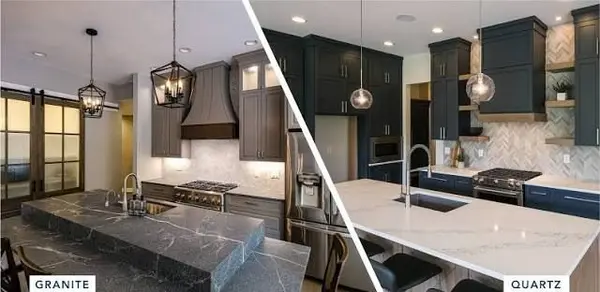
Granite or Quartz? How to Choose the Right Kitchen Countertop
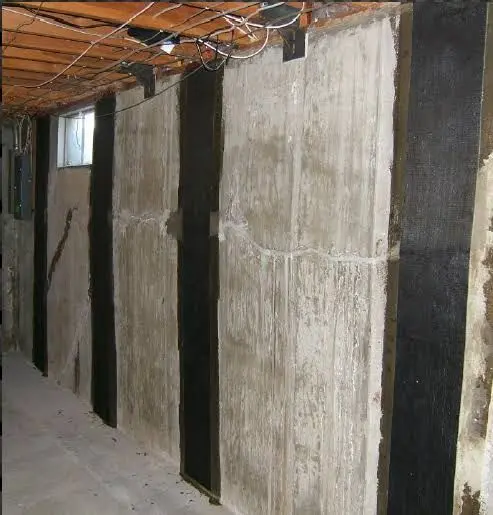
How to Fix a Bowed Basement Foundation Wall
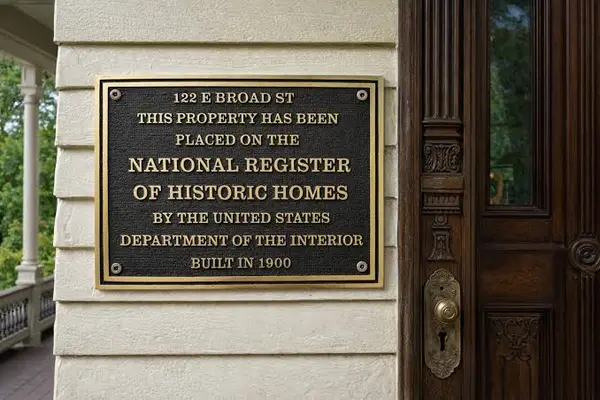
What Work Can Be Done on a Home Listed on the National Register of Historic Places?
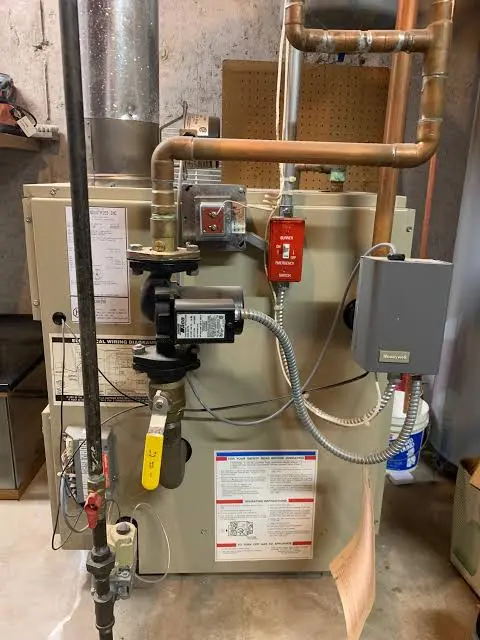
Why Boiler Systems Are Being Phased Out
How to Resolve a City Violation Against a Residential Home

What Does ‘Contingent on Close’ Mean When Selling a Home?

How Effective Is Radiant Floor Heating? A Homeowner’s Guide

Where Should I Install Smoke Detectors in My Home?
Why Your Rear Deck Shakes When You Walk on It—and How to Make It Safer