How to Resolve a City Violation Against a Residential Home
Getting a city violation notice on a home can feel stressful at first 😟, but in many cases, it is something that can be resolved with a clear plan and a little patience. Whether the issue involves overgrown landscaping, exterior repairs, unpermitted work, or safety concerns, the key is to act quickly and stay organized.
The first step is to carefully read the notice from the city or local code enforcement office. Pay close attention to what the violation is, the property address, the deadline for compliance, and any instructions for correcting the issue. A violation notice is not usually the end of the road—it is more like a checklist that tells you what needs attention.
Once you understand the problem, contact the city department listed on the notice. This can help clear up any confusion and show that you are taking the matter seriously. In some cases, a simple phone call can answer important questions, such as whether permits are needed, whether an extension is possible, or what documentation should be submitted after the repairs are complete.
From there, it helps to break the process into manageable steps:
- Confirm exactly what the violation involves.
- Take photos of the current condition of the property.
- Gather any prior permits, contractor invoices, or repair records.
- Get estimates if work needs to be done.
- Complete the repairs or cleanup before the deadline whenever possible.
- Request a follow-up inspection or provide proof of correction.
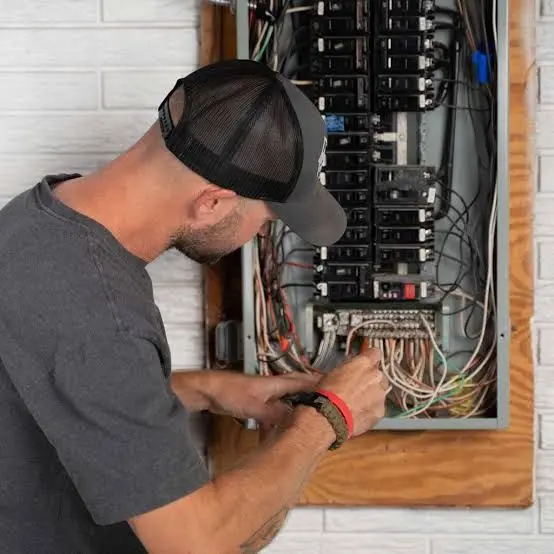
Some violations are simple and inexpensive to fix, like removing debris, repainting a peeling fence, replacing a broken window, or trimming weeds and overgrowth. Others may take more time, especially if the issue involves electrical work, structural concerns, roof damage, or additions that were done without permits. In those cases, working with a licensed contractor or permit specialist can make the process smoother.
If the violation is tied to unpermitted work, the city may require the homeowner to apply for retroactive permits and schedule inspections. That can sound intimidating, but it is often a standard path to bringing a property back into compliance. Think of it like updating the home's paperwork so the city can verify the work is safe and properly completed 🏡.
Homeowners should also keep good records throughout the process. Save emails, copies of permit applications, contractor receipts, and photos showing before-and-after progress. If there is ever a question about whether the issue was fixed on time, documentation can make a big difference.
When repairs cannot be completed by the deadline, it is usually better to communicate early instead of waiting until the date has passed. Many code enforcement departments are more willing to work with owners who are responsive and proactive. In some situations, they may grant additional time if the homeowner can show that repairs are scheduled and moving forward.
Ignoring a city violation is where small problems can become much more costly. Fines may increase, legal notices may follow, and in some cases a pending sale or refinance can be delayed. For homeowners thinking about selling, unresolved violations can also affect buyer confidence and create last-minute surprises during escrow.
The good news is that most city violations can be resolved by staying calm, understanding the requirements, and taking action step by step. If you are unsure where to begin, start with the notice itself, contact the city, and build a plan from there. A little effort now can save time, money, and stress later—and help keep the home in good standing with the city ✅.
For sellers, buyers, and homeowners alike, understanding how code issues work is part of protecting a property's value. When handled properly, even a frustrating violation notice can become a manageable task instead of a major setback.
Categories
Recent Posts