How to Fix a Bowed Basement Foundation Wall
A bowed basement wall can feel alarming, and for good reason. When a foundation wall starts to curve inward, it is often a sign that pressure from the outside soil is pushing harder than the wall can handle. Water buildup, poor drainage, expansive clay soil, and freeze-thaw cycles can all add stress over time.
The first step is understanding that this is usually not a cosmetic issue. Fresh paint and patching cracks will not solve the underlying problem. A bowed wall needs a proper inspection to determine how far it has moved, what is causing the pressure, and whether the movement is still active.
In many cases, the right fix depends on how severe the bowing is. For mild to moderate movement, wall anchors or carbon fiber straps may help stabilize the wall and prevent further shifting. For more advanced bowing, steel braces or reinforcement systems are often used. If the damage is severe, partial rebuilding of the wall may be necessary.
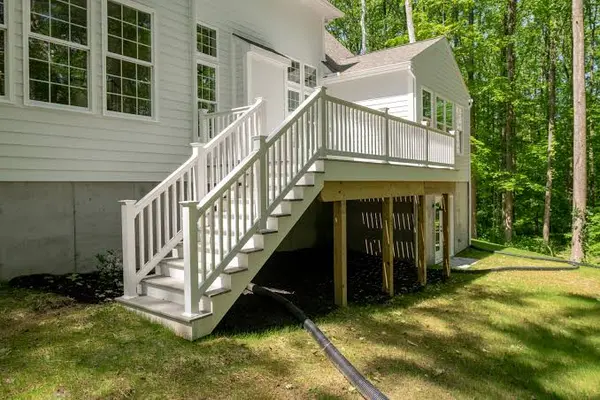
Drainage is a big part of the solution too. Even the best repair may not last if water continues to collect around the foundation. That is why professionals often recommend improving grading, extending downspouts, repairing gutters, or adding waterproofing measures to reduce outside pressure.
For homeowners, the smartest move is usually to call a licensed foundation specialist or structural engineer before the problem gets worse. Early action can mean a simpler repair and a smaller bill. Waiting too long can lead to larger structural issues, water intrusion, and safety concerns.
For buyers touring a home with a bowed basement wall, this is a sign to slow down and ask questions. A professional inspection can reveal whether the wall has already been repaired correctly, whether movement is ongoing, and what future costs may look like. It is not always a deal breaker, but it should never be ignored.
The bottom line: a bowed foundation wall can often be fixed, but the right repair depends on the cause, the severity, and the condition of the home overall. Think of it like a warning light on a car dashboard. You do not want to cover it up. You want to find out what is causing it and fix the real issue before it turns into something bigger. 🏠
Categories
Recent Posts