What Work Can Be Done on a Home Listed on the National Register of Historic Places?
Owning a home listed on the National Register of Historic Places can feel a little like becoming the steward of a piece of local history 🏡✨. It is exciting, meaningful, and sometimes a bit confusing—especially when the first question is, “What am I actually allowed to change?”
The good news is that many homeowners are surprised to learn that a National Register listing does not automatically freeze a home in time. In many cases, owners can still repair, update, and improve their property. The details depend on how the work is funded, where the home is located, and whether any local preservation rules also apply.
For most privately owned homes, routine maintenance and many improvements are still possible. That can include repainting, fixing the roof, repairing windows, updating kitchens or bathrooms, replacing systems like plumbing or electrical, and doing general upkeep. Interior changes are often more flexible because the National Register itself mainly recognizes a property’s historic significance rather than controlling every design decision inside the home.
Where things become more sensitive is when a project affects the features that give the home its historic character. Original facades, distinctive windows, porches, trim, masonry, rooflines, and other visible architectural details may deserve extra care. Think of it like restoring a vintage watch: you can keep it running beautifully, but the craftsmanship that makes it special should be handled thoughtfully.
Another important factor is whether federal money, federal permits, or certain tax credit programs are involved. Once federal involvement enters the picture, a formal review process may apply. That review is designed to consider how the project could affect the property’s historic character. In practical terms, this can influence decisions about demolition, additions, exterior alterations, and major rehabilitation work.
Local rules can matter just as much—or more. Some homes that are on the National Register are also located in a local historic district or protected by city or county preservation ordinances. That is often where homeowners encounter actual approval requirements for exterior changes. For example, replacing original windows, changing siding materials, building an addition, or altering a front porch may require local review before work begins.
So what kinds of projects are commonly possible? Here are a few examples:
-
Routine repairs and maintenance to keep the home in good condition
-
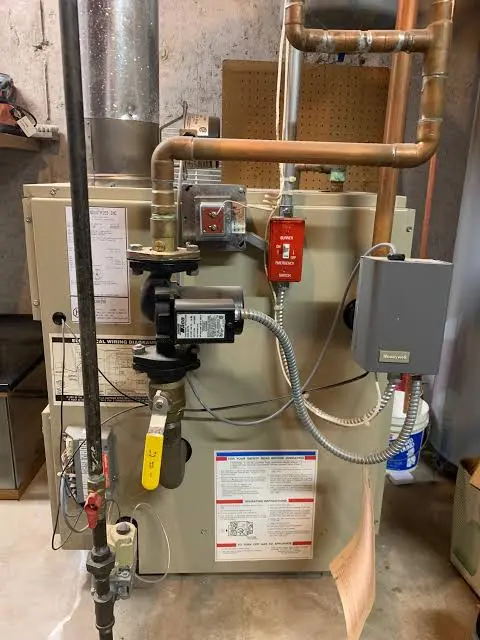
Mechanical upgrades such as HVAC, plumbing, and electrical improvements
-
Interior remodeling that does not destroy defining historic features
-
Careful exterior restoration using compatible materials and design
-
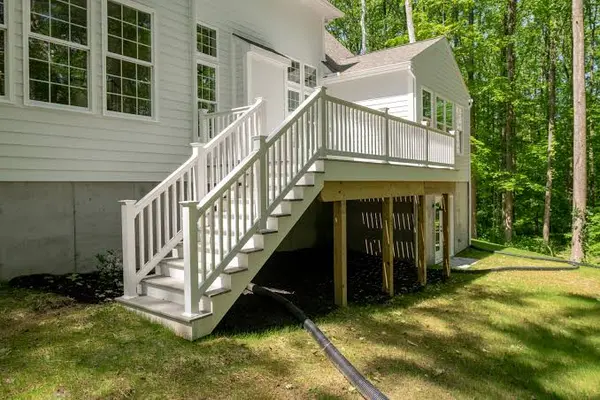
Additions or expansions, when designed to respect the original structure
And what kinds of projects may need more caution?
-
Removing original architectural details
-
Replacing historic materials with noticeably incompatible modern ones
-
Major exterior redesigns that change the home’s historic appearance
-
Demolition of all or part of the structure
-
Projects involving federal review, grants, or preservation tax incentives
If you are considering work on a historic home, the smartest first step is not to assume—it is to verify. Check whether the property is simply National Register listed, or whether it is also subject to local historic district rules. If you plan to use grants or tax credits, ask early about design standards and approval steps. A quick conversation with your local preservation office, planning department, or an experienced contractor can save time, money, and frustration later.
For buyers, this is also an important reminder: a historic designation can add charm, identity, and long-term value, but it may come with extra homework before renovations begin. The key is understanding the rules before falling in love with a major remodel plan.
At the end of the day, owning a historic home is often less about restriction and more about balance. You can usually improve the property, modernize it for daily living, and protect what makes it special—all at the same time. With the right planning, a historic home can honor the past while serving today’s lifestyle beautifully.
Categories
Recent Posts