Why Boiler Systems Are Being Phased Out
Boiler systems once felt like the gold standard of home heating. They were durable, dependable, and for many homeowners, simply part of the house’s personality. But across North America, more builders, buyers, and property owners are moving away from boilers and choosing newer heating options instead. So what’s driving the shift? 🤔
A big reason is energy efficiency. Traditional boiler systems, especially older models, can use more fuel than modern alternatives such as high-efficiency heat pumps or updated forced-air systems. As utility costs rise, homeowners are paying closer attention to how much it costs to keep a home comfortable through the winter. Even a system that still works fine can start to feel expensive compared with newer technology.
Another factor is the push toward electrification. Cities, provinces, and states are increasingly encouraging cleaner energy use in homes. Because many boilers run on oil or natural gas, they can be seen as less future-friendly than electric systems. For buyers thinking long term, that matters. A home with a modern electric heating system may feel more aligned with where building standards and consumer preferences are headed.
Maintenance also plays a role. Boiler systems can be reliable, but when they need repairs, the work can be specialized and sometimes costly. Parts for older systems may be harder to find, and not every technician works on boilers regularly. In contrast, more common heating systems can be easier to service, which gives homeowners peace of mind.
Comfort expectations have changed too. Boilers are known for steady, even heat, but many homeowners today want more than warmth alone. They want integrated heating and cooling, smart thermostats, zoning options, and systems that fit neatly into a modern energy plan. Since boilers do not provide central air conditioning, owners often need separate systems, which can make the overall setup feel less convenient.
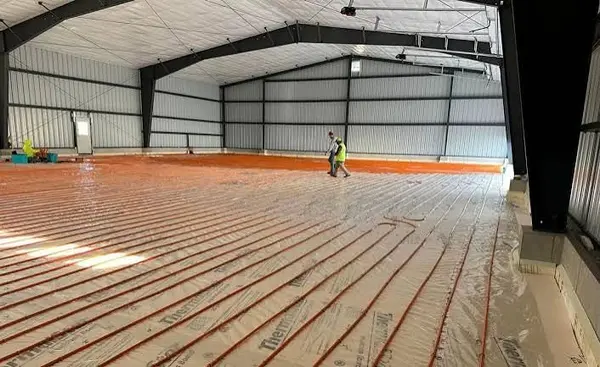
For real estate, this trend can affect buyer perception. A boiler is not automatically a negative feature, especially if it is well maintained or recently updated. In fact, some people love radiant heat for its quiet operation and cozy feel. But older boiler systems can raise questions during showings: How old is it? How efficient is it? What will replacement cost? Those concerns can influence how buyers view the home.
That said, boiler systems are not disappearing overnight. In many homes, they still perform well and may have years of life left. The bigger story is that the market is changing. New construction increasingly favors systems that are efficient, all-electric, and easier to integrate with modern home technology.
For homeowners, the takeaway is simple: if your home has a boiler, it is worth understanding its age, condition, and operating cost. If you are buying or selling, it helps to present the heating system clearly and honestly, with recent maintenance records if available. A well-informed conversation can make all the difference. 🏡
As home technology evolves, heating choices are becoming part of a larger conversation about efficiency, comfort, cost, and sustainability. That is why boiler systems are being phased out in many properties—not because they never worked, but because the next generation of heating is designed to meet a different set of priorities.
Categories
Recent Posts