Where Mold Hides: The Most Common Places Mold Grows in Your Home (And How to Spot It)
Mold is like a silent intruder—often unnoticed until it’s already made itself at home. While it might seem harmless at first, mold can cause health issues and damage your property if left unchecked. Knowing where mold likes to hide is the first step in keeping your home safe and healthy. Let’s take a tour through the most common hideouts for mold and learn how to spot it before it becomes a bigger problem.
1. Bathrooms: The Damp Den
Bathrooms are a mold magnet thanks to all the steam and moisture. Check around showers, bathtubs, sinks, and behind toilets. If you see black or green spots on tiles or caulking, it’s time for a deep clean. Don’t forget to look behind shower curtains and under bath mats!
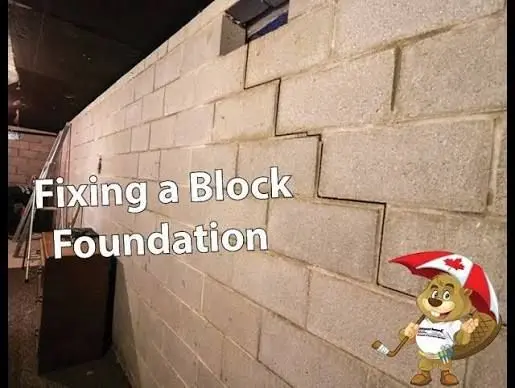
2. Basements and Crawl Spaces: Hidden Havens
Dark, damp, and often forgotten, basements and crawl spaces are prime real estate for mold. Look for musty odors, discoloration on walls, or any signs of water leaks. Using a dehumidifier and ensuring good ventilation can help keep these spaces dry.
3. Kitchens: Sneaky Spots
Under sinks, behind refrigerators, and around dishwashers—anywhere water can collect or leak—are favorite spots for mold. Regularly check for drips and wipe up spills right away. Don’t ignore that faint musty smell; it could be mold hiding out of sight.
4. Windows and Window Sills: The Condensation Trap
Condensation on windows, especially in colder months, creates a moist environment perfect for mold. Wipe down windowsills regularly and keep an eye out for peeling paint or black spots.
5. Attics: Out of Sight, Out of Mind
Poor ventilation or roof leaks can lead to hidden mold growth in attics. Check insulation and wooden beams for discoloration or dampness. Make sure your attic is well-ventilated to prevent moisture buildup.
6. HVAC Systems: The Unseen Spreaders
Your home’s heating and cooling systems can spread mold spores if not properly maintained. Schedule regular inspections and replace filters as recommended. If you notice a musty smell when the system is running, have it checked for mold.
7. Behind Walls and Under Flooring: The Secret World
Sometimes, the real trouble is where you can’t see it. Leaky pipes or past flooding can cause mold to grow behind walls or under floors. Watch for unexplained stains, warping, or persistent odors.
How to Keep Mold at Bay
- Keep humidity levels below 60% with dehumidifiers or air conditioners.
- Fix leaks promptly and dry wet areas within 24-48 hours.
- Ventilate bathrooms, kitchens, and laundry rooms.
- Clean and inspect hidden areas regularly.
Mold can be persistent, but with a little vigilance, you can keep it from taking over your home. If you ever find a suspicious spot or smell, don’t ignore it—early action can save you a lot of trouble!
Categories
Recent Posts