When Is It a Good Time to Refinance Your Fixed-Rate Mortgage?
Refinancing your fixed-rate mortgage can feel a bit like trying to catch the perfect wave—you want to jump in at just the right moment to get the most out of the ride. But how do you know when the timing is right? Let’s break down the key signs that it might be a smart time to refinance, and what you should consider before making the leap.
Interest Rates: The Big Trigger 📉
One of the most common reasons homeowners refinance is to snag a lower interest rate. If current rates are at least 0.5% to 1% lower than your existing mortgage, you could save a significant amount over the life of your loan. Think of it like swapping out an old pair of running shoes for a new pair that helps you go farther with less effort—those savings can really add up, especially on a large loan.
Improved Credit Score? Even Better!
If your credit score has improved since you first got your mortgage, you might qualify for even better rates and terms. Lenders love to see a strong credit history, and they’ll often reward you for it. This could mean lower monthly payments or a shorter loan term, both of which put more money back in your pocket.
Staying Put? Do the Math
Refinancing isn’t free—there are closing costs and fees to consider. That’s why it’s important to calculate your “break-even point”—the time it takes for your monthly savings to outweigh the upfront costs. If you plan to stay in your home for several more years, refinancing could be well worth it. But if you’re thinking about moving soon, it might not make sense.
Changing Your Loan Terms
- Shorten your term: Refinancing from a 30-year to a 15-year mortgage can save you a bundle in interest, even if your monthly payment goes up a bit.
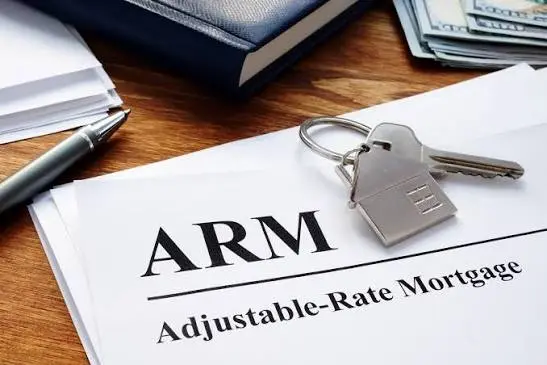
- Switch to a fixed rate: If you’re currently in an adjustable-rate mortgage (ARM), locking in a fixed rate can give you peace of mind if rates are expected to rise.
Unlocking Home Equity
Some homeowners refinance to tap into their home’s equity for renovations, education, or other big expenses. This is called a cash-out refinance, and it can be a powerful tool—just be sure you’re comfortable with the new loan terms and payments.
What to Watch Out For ⚠️
- Don’t forget about closing costs and potential prepayment penalties on your current loan.
- Make sure you’ll stay in your home long enough to benefit from the refinance.
- Shop around and compare offers from different lenders to get the best deal.
Real-Life Example
Imagine you have a $250,000 mortgage at 6%. If rates drop to 5% and you plan to stay put for another decade, refinancing could save you more than $13,000 in interest—even after paying $3,000 in closing costs. That’s money you could put toward a vacation, college fund, or home improvements!
Final Thoughts
Refinancing a fixed-rate mortgage can be a smart move when the numbers make sense and it aligns with your long-term plans. Take a close look at your current rate, your credit score, and how long you’ll stay in your home. If you’re unsure, a mortgage calculator or a conversation with a trusted lender can help you make the best decision for your future.
Curious about how refinancing could work for you? Drop your questions below or reach out for a personalized calculation!
Categories
Recent Posts