How General Elections Impact the Real Estate Market
General elections are more than just a day at the polls—they can send ripples through the real estate market, shaping decisions and stirring up emotions for buyers, sellers, and investors alike. But what’s really happening behind the scenes when the country gears up to vote? Let’s take a closer look at how election season can influence the housing market, and what you can do to navigate the uncertainty.
Election Jitters: Why Uncertainty Slows the Market
As campaign signs pop up and debates heat up, a sense of uncertainty often settles over the real estate market. People start to wonder: Will new leaders change tax policies or housing regulations? Will mortgage rates shift? This uncertainty can make buyers and sellers pause, waiting to see what the future holds before making big decisions. As a result, the months leading up to a general election often see a modest slowdown in home sales and listings.
Not a Freeze—Just a Pause
It’s important to remember that the market doesn’t grind to a halt. Life goes on—families grow, people relocate for work, and opportunities arise. But for those who have flexibility, the instinct to “wait and see” can lead to fewer transactions and a quieter market. Once the election is over and the outcome is clear, confidence often returns, and activity picks up again.
Promises, Policies, and Market Moves
During election season, candidates often unveil plans that could impact real estate—think first-time homebuyer incentives, rent control, or tax reforms. These promises can influence how investors and homeowners behave, sometimes causing short-term shifts in demand or pricing as people try to anticipate what’s coming next.
The Interest Rate Connection
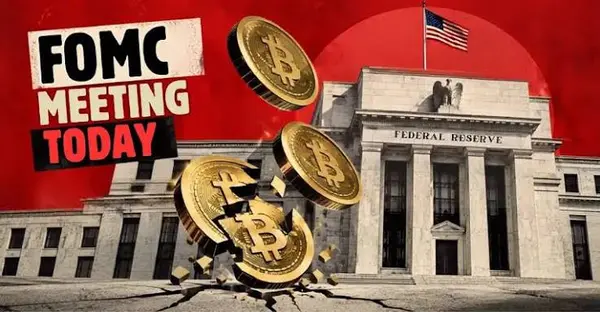
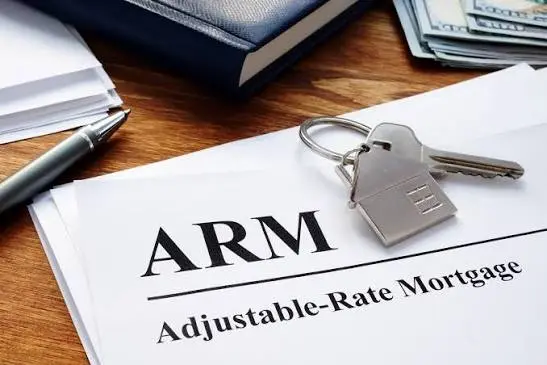
Real estate doesn’t exist in a vacuum. The broader economy and interest rates play a huge role, and elections can indirectly affect these factors. If markets believe a new administration will bring big economic changes, mortgage rates might move in anticipation, impacting affordability and buyer demand.
What History Shows
Looking back, North American real estate markets often experience a brief lull before major elections, followed by a rebound once uncertainty fades. For example, in the run-up to the 2020 U.S. election, some buyers and sellers hit pause—but activity surged after results were announced.
Tips for Navigating Election Season
- Buyers: If you find the right home and can secure a favorable rate, don’t let election headlines distract you from your goals.
- Sellers: Price your property realistically and be patient—activity often returns after the election.
- Investors: Stay alert to policy changes, but remember that real estate is a long-term investment. Avoid knee-jerk reactions to short-term news.
While general elections can create temporary waves in the real estate market, the fundamentals—like supply, demand, and local economic trends—are what truly shape the landscape over time. Stay informed, keep your goals in focus, and remember: election season is just one chapter in the story of real estate.
Categories
Recent Posts