
Why Are There So Many Fees on the HUD-1 Settlement Statement at Closing?
If you’ve ever sat down at a home closing and stared at the HUD-1 Settlement Statement, you know it’s not exactly light reading. In fact, it can look like a jumble of fees, numbers, and technical terms. But behind every line item is a story about how your home purchase comes together—and why so many hands are involved.
Imagine buying a house as putting together a big, complicated puzzle. Each piece represents a different service, professional, or requirement that ensures your new home is legally yours and free of hidden problems. That’s why the HUD-1 is so detailed: it’s a map of every step (and cost) along the way.
Why are there so many fees? Let’s break it down:
- Third-Party Services: From appraisers who determine your home’s value, to inspectors checking for hidden issues, to title companies making sure no one else can claim your property—every expert brings peace of mind, and each charges a fee for their work.
- Government Requirements: Buying a home means officially transferring ownership, which involves government offices, recording fees, and sometimes transfer taxes. These are necessary to make your purchase official and protect your rights.
- Loan-Related Costs: If you’re getting a mortgage, lenders need to process your application, check your credit, and underwrite the loan. These steps ensure you’re a good fit for the loan, and each has its own cost.
- Prepaid Items: Some costs, like homeowners insurance or property taxes, are paid upfront to make sure you’re protected and current from day one.
- Title and Escrow Services: Title companies research the property’s history to guarantee a clean transfer, while escrow companies hold funds and documents to keep everyone honest and the process smooth.
Categories
Recent Posts

Top 10 Reasons Why People Sell Homes in 2026

Top 10 Reasons Why People Buy a Home

Can Your Realtor Refer You to an Out-of-State Agent? Absolutely—Here’s How It Works

When Does a Veteran’s Disability Status Affect Property Taxes on a New Home in Illinois?
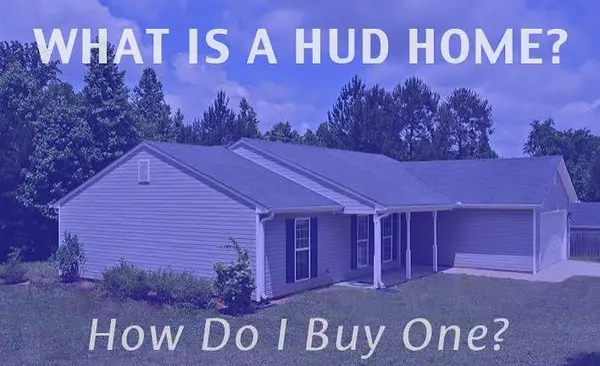
What Is a HUD Home? Your Guide to Affordable Homeownership Opportunities
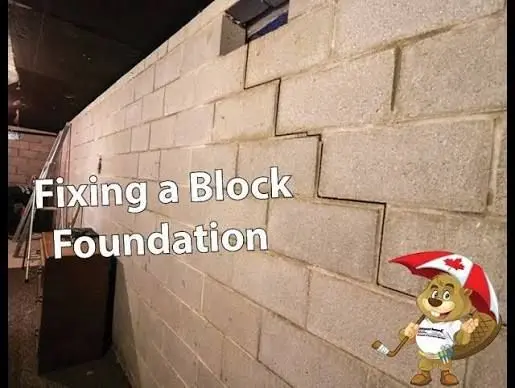
What Foundation Repairs Can Fix a Bowing Cinder Block Basement Wall?
How to Buy a Home with Just 3% Down: What You Need to Know
What Is a Squatter and What Rights Do They Have?

Why Are Financing Extension Letters So Common with Real Estate Attorneys?

Should You Choose 20, 30, or 40-Year Shingles? A Homeowner’s Guide